Sea Otters

Potty Training
2’s
1:12 Teacher-to-Student Ratio
Maximum Class Size of 12

About the Sea Otters
In the Sea Otters class, children are introduced to potty training in a nurturing and encouraging environment. Their academic program is thoughtfully tailored to their developmental needs, creating learning experiences that are both engaging and challenging.

Curriculum & Daily Activities
During daily circle time, the Sea Otters start their day with morning greetings and name recognition activities that support early pre-reading skills. They explore the calendar, review the days of the week, listen to age-appropriate stories, and enjoy singing songs together.
Art is an important part of their daily routine. Children participate in both guided crafts and open-ended art inspired by their thematic units. These activities provide a creative outlet while strengthening fine motor skills. Each day also includes music and movement, encouraging self-expression, coordination, and joyful participation.
Throughout the program, children are introduced to a variety of important concepts, including social and verbal development, colors, shapes, numbers, and letters. They also explore music, language, science, and art while building independence through milestones such as potty training.
Potty training is most successful when families and teachers work together. Our teachers provide gentle guidance and encouragement, helping children reach this important step toward greater independence.

Environment
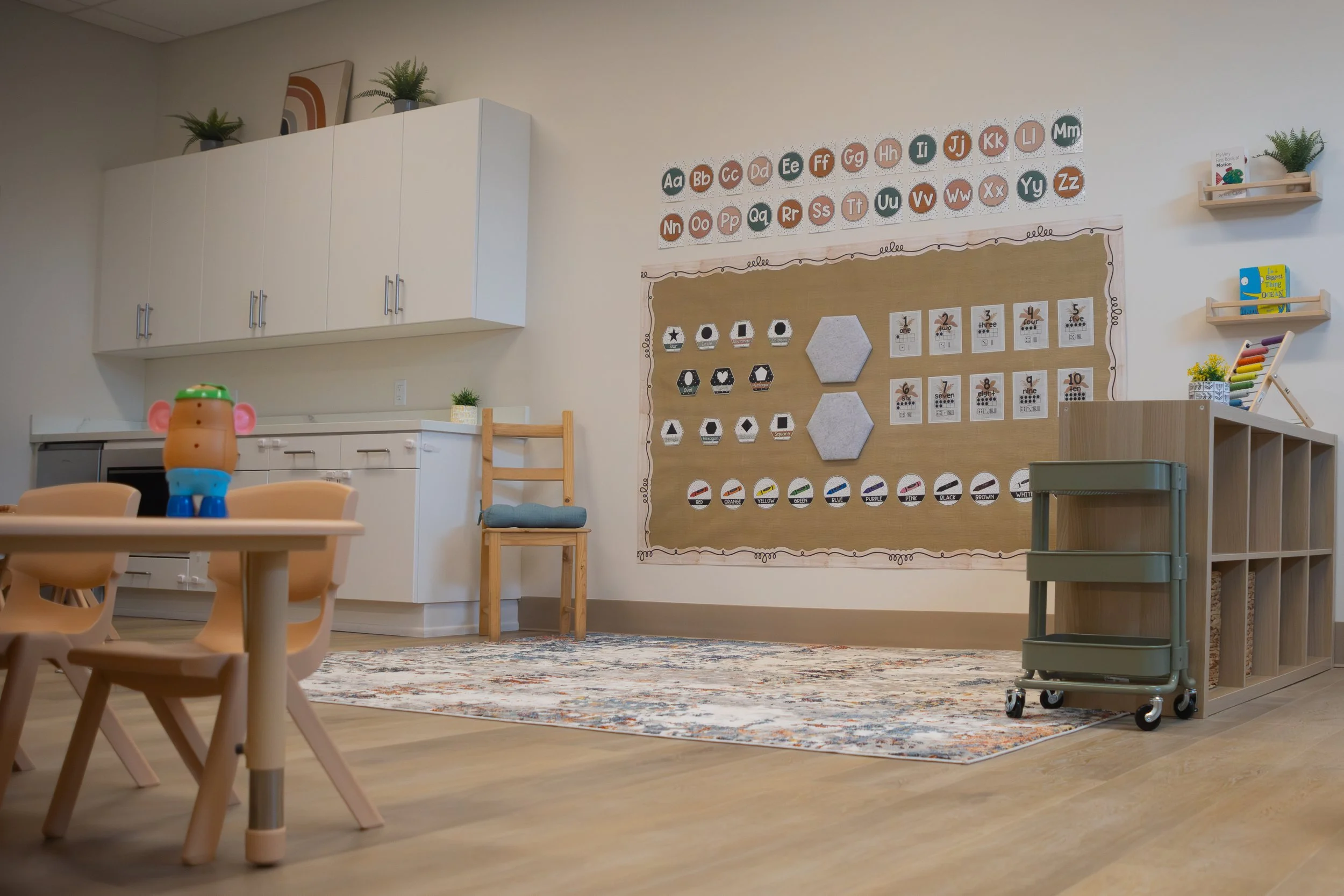
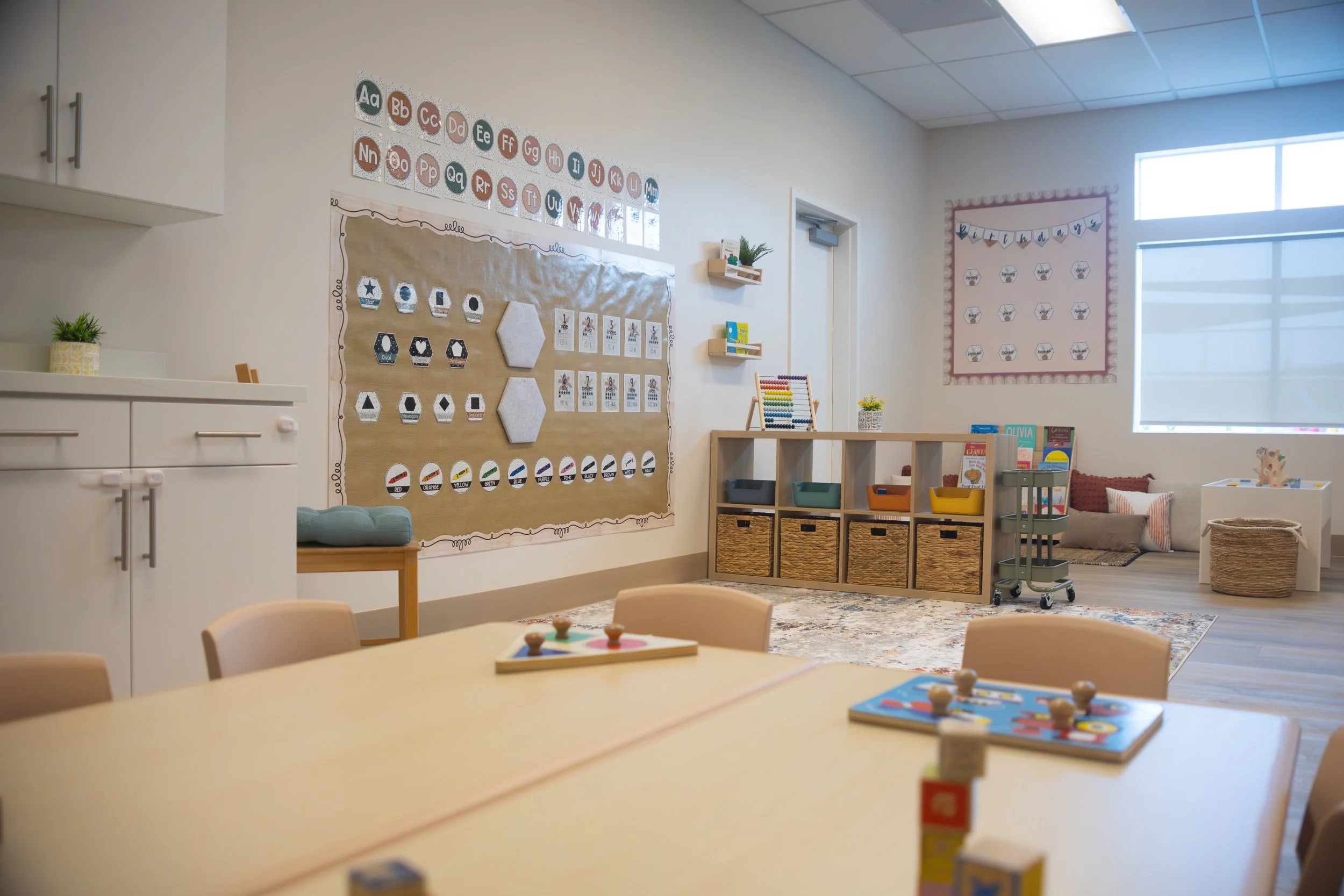
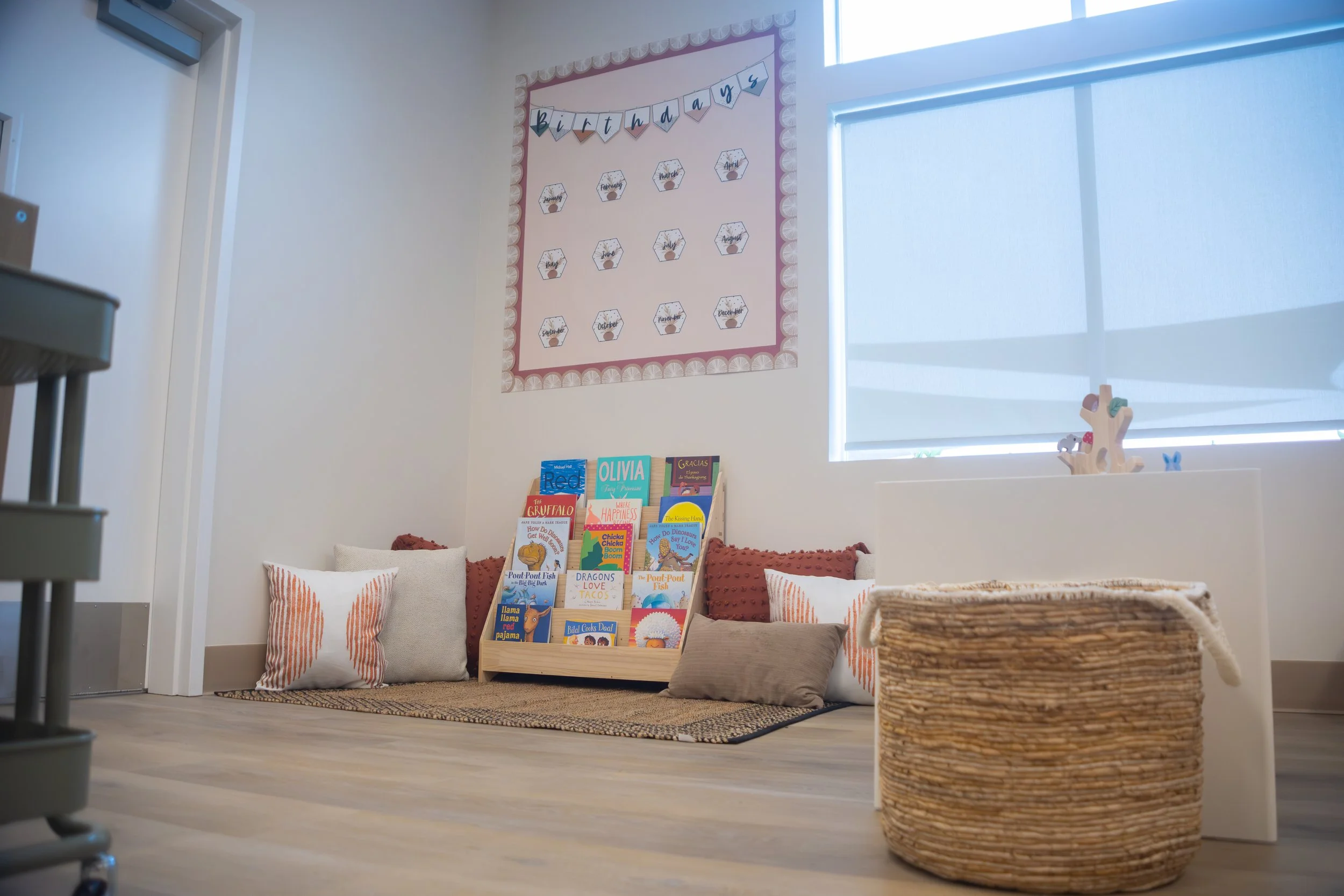
The Sea Otter classroom provides a warm and welcoming environment designed to support young children’s growing independence. The classroom offers plenty of space for exploration, play, and hands-on learning throughout the day. Children also enjoy access to a large playground where they can run and develop their gross motor skills. Child-sized toilets are available in the classroom to encourage independence and support the potty-training process.

Developmental Milestones
By 3 years, toddlers will:
Calms down within 10 minutes after you leave them like at a childcare drop off
Notices other children and joins them to play
Talks with you in conversation using at least two back-and-forth exchanges
Asks “who,” “what,” “where,” or “why” questions, like “Where is mommy/daddy?”
Says what action is happening in a picture or book when asked, like “running,” “eating,” or “playing”
Says first name, when asked
Talks well enough for others to understand, most of the time
Draws a circle, when you show them how
Avoids touching hot objects, like a stove, when you warn them
Strings items together, like large beads or macaroni
Puts on some clothes by themselves, like loose pants or a jacket
Uses a fork

Why Scripps Exploring Academy?
At Scripps Exploring Academy, we support the students and their families. In our potty training program, we begin by meeting with the parents and going over our plan so that we are all on the same page. By doing so, we can work together to create a stress-free environment for the child and together be more successful.